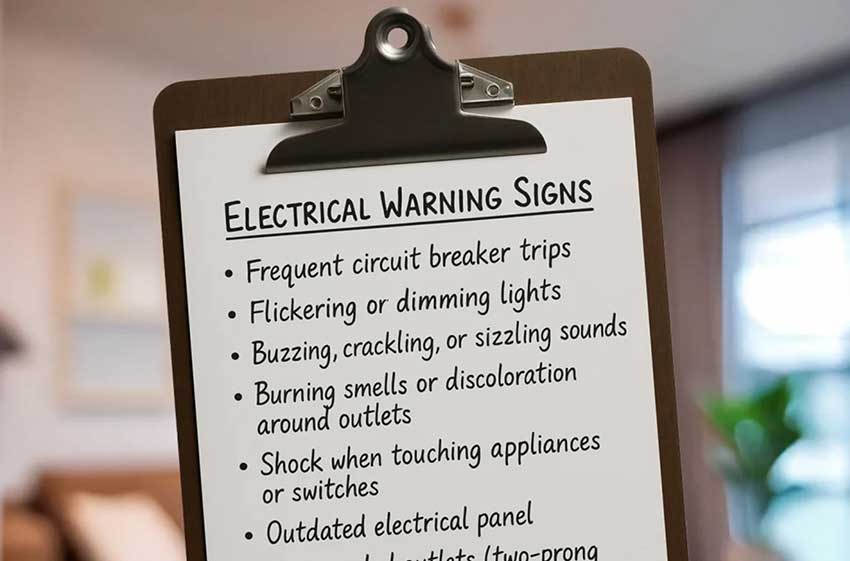
Most families have a lot on their minds. Between getting the kids ready for school, keeping up with work, preparing dinner, and handling everything else that comes with daily life, it's easy to overlook a small problem around the house. Maybe a light flickers when someone turns on the microwave. Perhaps a circuit breaker trips for the second or third time this month. Or maybe there's a strange buzzing sound coming from an outlet that you've never noticed before.
It's tempting to brush off these little annoyances, especially when everything seems to work normally again a few minutes later. But when it comes to your home's electrical system, seemingly
minor issues can sometimes be early warnings of a more serious problem.
For families in Texas, keeping an eye on electrical safety is particularly important. Air conditioning systems work hard during the hot summer months, home offices and entertainment equipment add to everyday electrical demand, and severe thunderstorms can sometimes damage electrical equipment or disrupt power. Older homes may also have wiring, outlets, or electrical panels that deserve a closer look.
The good news is that you don't need to be an electrician to recognize when something isn't right. Knowing which warning signs to watch for, what to do when they appear, and when to call a professional can help protect your home and everyone living in it.
Here's a closer look at eight electrical warning signs Austin families should never ignore, along with practical steps you can take to reduce everyday risks.
1. Burning Smells Coming From Outlets, Switches, or Electrical Panels
A burning smell inside your home deserves attention, particularly when you can't identify an obvious source.
If you notice an unusual odor resembling burning plastic, melting insulation, or overheated electronics near an outlet, light switch, or electrical panel, don't assume it's harmless. Electrical components can overheat when connections become loose, circuits become overloaded, or equipment begins to fail.
Sometimes, the odor is faint and disappears quickly. That doesn't necessarily mean the problem has resolved itself.
What should you do?
Stop using the affected outlet or appliance if you can do so safely without touching hot or damaged equipment. Don't unplug anything if the outlet or plug is hot, sparking, smoking, or otherwise unsafe to approach.
If you see smoke or fire, get everyone out of the house and call 911 from a safe location. Do not attempt to investigate the source, put out an electrical fire yourself, or reenter the home until emergency responders say it's safe.
Even if there's no visible smoke, a persistent burning odor near electrical equipment warrants prompt professional attention.
For Austin homeowners, the important thing to remember is that electrical problems don't always announce themselves with dramatic sparks. Sometimes, your nose picks up the first clue.
2. Frequently Tripping Circuit Breakers
Circuit breakers are designed to protect your home by interrupting electrical power when a circuit experiences an overload or certain types of electrical faults.
An occasional trip can happen when several power-hungry appliances run on the same circuit. However, a breaker that trips repeatedly shouldn't be treated as a minor inconvenience.
Think about what happens in a busy household. The air conditioner is running, someone is cooking dinner, the washing machine is going, and a family member is charging several devices. If too much demand is placed on one circuit, the breaker may trip to help prevent overheating.
Repeated trips can also point to a short circuit, a ground fault, faulty equipment, damaged wiring, or another underlying problem.
What should you do?
Pay attention to which appliances were running when the breaker tripped. That information can help an electrician narrow down the cause.
Don't repeatedly reset a breaker that continues to trip. Doing so without identifying the problem can leave a potentially hazardous condition unresolved.
You should also resist the temptation to replace a breaker with one rated for more amperage simply to stop the interruptions. The breaker must be properly matched to the circuit wiring and its intended use.
A licensed electrician can determine whether the issue involves ordinary electrical demand, a faulty appliance, damaged wiring, or a panel that needs professional attention.
If your home has flickering lights, frequently tripping breakers, warm outlets, or other electrical warning signs, contacting Tejas Electric can help Austin homeowners identify potential hazards and determine which electrical repairs may be needed to keep their families safe.
3. Warm Outlets, Switches, or Electrical Plugs
Have you ever touched an outlet cover and noticed that it felt unusually warm? Maybe a plug seemed hotter than expected after an appliance had been running.
This is a warning sign worth taking seriously.
Electrical outlets and switches shouldn't feel dangerously hot during normal use. Excessive heat can result from loose electrical connections, damaged receptacles, overloaded circuits, or other problems that require investigation.
Be especially cautious if warmth occurs alongside a burning smell, discoloration, buzzing, crackling, or intermittent power.
What should you do?
Stop using the affected outlet. Don't touch the plug or receptacle if it feels dangerously hot, and don't attempt to remove it from the wall yourself.
If you notice smoke, sparks, or signs of fire, evacuate and call emergency services. Otherwise, arrange a professional inspection before using that outlet again.
This is particularly important in homes with young children. A child may not recognize the danger of an overheated outlet, and a loose or damaged receptacle can create additional risks.
Never assume a warm outlet is simply a normal side effect of using electricity. Have a qualified electrician determine whether it's safe.
4. Flickering or Dimming Lights
A light that flickers once in a while might seem harmless. Perhaps someone turned on a large appliance, or a bulb isn't seated correctly.
But when flickering becomes frequent, affects multiple rooms, or occurs alongside other electrical symptoms, it's worth investigating.
There are several possible causes. A loose bulb or failing LED driver may explain a problem with one fixture. However, repeated flickering throughout the house can point to loose connections, circuit problems, or issues with the electrical supply.
Lights that dim noticeably whenever an appliance starts deserve attention, particularly if the change is pronounced or becoming more frequent.
What should you do?
If only one lamp or fixture flickers, and there's no heat, odor, buzzing, or other concerning symptom, you can check the manufacturer's instructions and replace an ordinary bulb if it's safe to do so.
Don't climb a ladder or handle a fixture if there's evidence of electrical damage.
If several lights flicker, the problem keeps returning, or lights brighten and dim unpredictably, contact a licensed electrician. If the entire home experiences sudden, unusual brightness changes, especially alongside buzzing or other warning signs, seek prompt professional assistance.
Austin homes rely heavily on air conditioning and other major appliances, so it's useful to understand whether lighting changes occur when equipment starts. However, don't assume that a large appliance is responsible until the issue has been properly evaluated.
5. Buzzing, Humming, or Crackling Electrical Sounds
Your home has plenty of ordinary background noise. Refrigerators hum, air conditioners run, and electronic equipment makes sounds you may barely notice anymore.
An unusual sound coming directly from an outlet, switch, light fixture, or electrical panel is different.
Persistent buzzing, crackling, or sizzling can indicate a loose connection, arcing electricity, a failing component, or another electrical problem. Arcing occurs when electricity jumps across an unintended gap, potentially generating intense heat.
A faint sound from a device may have an ordinary explanation, but a new or persistent sound from electrical wiring or a wall outlet shouldn't be ignored.
What should you do?
Don't remove an outlet cover, open a switch, or take apart a panel to locate the noise. Even if you consider yourself handy, internal electrical components can remain energized and dangerous.
If the sound is accompanied by a burning smell, smoke, sparks, or unusual heat, treat the situation as urgent. If there is smoke or fire, evacuate and call 911.
For persistent buzzing without immediate signs of fire, arrange a professional inspection promptly. Tell the electrician where the noise occurs and whether it changes when lights or appliances are used.
A small noise might be the first indication that a connection or component needs attention. Finding the cause early is preferable to waiting until a more serious failure occurs.
6. Discolored Outlets, Scorch Marks, or Damaged Electrical Components
Take a closer look at the outlets and switches around your home from time to time. You don't need to remove anything or conduct a technical inspection. Simply notice changes to the visible surfaces.
Brown or black marks, melted plastic, cracked outlet covers, loose receptacles, and unusual discoloration can all indicate a problem.
Scorch marks may result from overheating or electrical arcing. A receptacle that moves when a plug is inserted can also suggest that the device or its mounting has become loose.
These conditions are particularly concerning when they appear near frequently used appliances, extension cords, or power strips.
What should you do?
Stop using a damaged or discolored outlet. Don't paint over the marks, replace the cover to hide the damage, or assume that a new receptacle will automatically solve the problem.
The underlying wiring and connections may need inspection and repair.
If the outlet is smoking, sparking, or dangerously hot, keep away and follow emergency procedures. Otherwise, contact a licensed electrician to determine the cause and make the necessary repairs.
This is also a good reminder to inspect outlets in children's bedrooms, playrooms, and family entertainment areas. These rooms often contain chargers, televisions, gaming equipment, lamps, and other devices that get used every day.
7. Electrical Shocks, Tingling, or Sparks
A small spark when plugging in certain equipment can occasionally occur under specific circumstances, but repeated sparking, large sparks, crackling, or sparks accompanied by heat or burning odors are not normal conditions to dismiss.
Likewise, feeling a shock or tingling sensation when touching an appliance, switch, or other electrical equipment is a warning sign.
Possible causes include damaged insulation, improper grounding, faulty appliances, or other electrical faults. You shouldn't try to determine the cause by touching the equipment again.
What should you do?
Stop using the affected equipment and keep children and pets away. Don't touch damaged wiring or attempt to repair an appliance that may be energized.
If someone is receiving an electrical shock, don't touch them while they remain in contact with the electrical source. Call 911 and disconnect the power only if you can do so safely. Follow the emergency dispatcher's instructions.
Even when an incident seems minor, arrange a professional evaluation before using the equipment again.
Grounding, properly functioning protective devices, and correctly installed wiring are important parts of a home's electrical safety. A licensed electrician can check whether these systems are operating as intended.
8. Outlets That Don't Work, Plugs That Fall Out, or Repeated Power Interruptions
Not every electrical warning sign involves heat, smoke, or a strange smell. Sometimes, the clues are less dramatic.
An outlet may stop working without explanation. A plug might fall out because the receptacle no longer grips it securely. Power may repeatedly cut out in one room, or a switch may work inconsistently.
These issues can be caused by a tripped protective device, a faulty outlet, a loose connection, damaged wiring, or another electrical problem.
A single failed lamp could simply have a burned-out bulb. But repeated interruptions or several nonworking outlets in the same area deserve a closer look.
What should you do?
If an outlet is loose, damaged, discolored, warm, or producing unusual sounds, stop using it and arrange an inspection.
If multiple outlets stop working, note which areas are affected. You can also check whether other household equipment is experiencing similar problems, provided you can do so safely.
Avoid inserting tools into an outlet, removing receptacles, or opening electrical equipment to troubleshoot it yourself.
If you suspect that the problem involves an electrical panel, damaged wiring, or a persistent fault, let a licensed electrician identify the cause. A professional can determine whether the repair involves a receptacle, circuit, protective device, or another part of the electrical system.
When to Act Immediately and When to Schedule an Inspection
Recognizing electrical warning signs is important, but knowing how urgently to respond is just as valuable.
Here's a simple guide for Austin families.
Stop and Act Immediately
The following situations require immediate attention:
- Smoke or fire: Get everyone out, stay outside, and call 911. Never reenter until emergency responders say it's safe.
- Sparks or active electrical arcing: Keep away from the affected equipment. If there is smoke or fire, evacuate and call emergency services.
- A dangerously hot outlet or switch: Stop using it and don't touch the device or plug if doing so would be unsafe.
- A persistent burning smell near electrical equipment: Keep away from the suspected source and seek urgent professional help.
- An electrical shock or suspected energized wiring: Avoid contact with the equipment and follow appropriate emergency procedures.
Don't put yourself or your family at risk trying to shut off power. If you can safely operate a clearly accessible breaker without approaching smoke, heat, sparks, or damaged equipment, doing so may help. Otherwise, leave the area and call for help.
Arrange a Professional Electrical Inspection
These signs may not always require emergency services, but they shouldn't be ignored:
- Circuit breakers that trip repeatedly.
- Persistent buzzing or crackling near electrical components.
- Flickering or dimming lights that keep returning.
- Discolored outlets or switches.
- Loose receptacles or plugs that won't stay securely in place.
- Repeated power interruptions without an obvious explanation.
Contact a licensed electrician promptly, and explain whether the issue is getting worse or occurs alongside other warning signs.
Reduce Everyday Electrical Risks
A few simple habits can also help make your home safer.
- Avoid overloading power strips or plugging one power strip into another.
- Use extension cords temporarily rather than as permanent substitutes for properly installed outlets.
- Replace damaged cords and keep them away from sharp edges, hot surfaces, and areas where they can be pinched.
- Keep electrical cords away from places where children and pets may chew or pull them.
- Use tamper-resistant receptacles or appropriate child-resistant outlet protection.
- Keep electrical equipment away from water and follow appliance manufacturers' safety instructions.
- Make sure smoke alarms are installed and maintained according to applicable requirements and manufacturer guidance.
- Pay attention to unusual smells, sounds, heat, and changes in electrical performance.
These steps won't eliminate every electrical hazard, but they can reduce common risks and help your family recognize problems sooner.
Is Electrical Work a Good DIY Project, or Should You Hire a Licensed Electrician?
If you're handy around the house, you might be wondering whether electrical repairs are something you can handle yourself.
There's nothing wrong with wanting to save money or learn how your home works. Some basic tasks, such as replacing an ordinary light bulb or resetting a tripped GFCI receptacle according to its instructions when there are no warning signs of damage, are reasonable for many homeowners.
However, diagnosing electrical faults and installing or modifying wiring, outlets, circuits, breakers, and electrical panels is a different matter.
Even a repair that appears straightforward can involve energized conductors, incorrect wiring, inadequate grounding, overloaded circuits, or components that aren't compatible with the existing system.
A repair that looks fine from the outside may still leave a dangerous condition hidden inside a wall or electrical box.
For this reason, homeowners should avoid DIY electrical work when a problem involves recurring breaker trips, unexplained flickering, burning odors, buzzing outlets, damaged wiring, or overheated components. Never remove an electrical-panel cover, touch damaged wiring, or repeatedly reset a breaker that keeps tripping.
Texas licensing requirements also matter. Electrical work that requires a licensed electrician should be handled by a properly licensed professional, and local permitting requirements may apply to particular installations or repairs. Before beginning a project, verify the applicable requirements with the Texas Department of Licensing and Regulation and the local authority having jurisdiction.
For Austin homeowners, choosing a qualified electrician is about more than getting the lights working again. It's about identifying the actual cause of a problem, selecting appropriate materials, completing the work correctly, and helping protect everyone who lives in the home.
When in doubt, leave electrical installations and troubleshooting to a licensed electrician rather than taking a chance with your family's safety.
Why Austin Families Should Pay Attention to Their Home's Electrical System
Austin homes come in many shapes and sizes, from older houses with established electrical systems to newer properties with modern appliances, home offices, electric vehicle chargers, and extensive outdoor living spaces.
Each home has its own electrical demands.
A family might add a freezer in the garage, install a hot tub, build a backyard workshop, or upgrade the kitchen with new appliances. An older electrical panel or an overloaded circuit may need professional evaluation before additional equipment is installed.
Texas weather can also create challenges. Thunderstorms, lightning, power interruptions, and extreme summer temperatures can place additional demands on household systems and equipment. Whole-home surge protection, properly installed generator connections, and appropriate electrical maintenance may be worth discussing with a qualified electrician, depending on your home's needs.
You don't need to wait for a major remodeling project or a power outage to think about electrical safety. Sometimes, the best time to investigate a concern is when the first small warning sign appears.
If you've noticed recurring problems, make a list of what you've observed. Note which rooms are affected, when the issue occurs, and whether multiple symptoms appear together. Don't attempt to reproduce a dangerous condition just to gather more information.
These details can help an electrician assess the situation more efficiently.
Protect Your Home With Help From Tejas Electric
Electrical safety isn't something most families think about until something goes wrong. But paying attention to unusual sounds, persistent flickering, warm outlets, and repeatedly tripping breakers can help you recognize potential problems before they become more serious.
The key is knowing when a simple household issue may be a warning sign. Don't ignore burning odors, scorch marks, damaged outlets, or unusual electrical behavior. And when a problem involves wiring, circuits, breakers, or other electrical components, don't assume a DIY repair is worth the risk.
Tejas Electric helps homeowners in Austin, Texas, with residential electrical services and professional guidance for electrical concerns. Whether you're dealing with an ongoing electrical problem or considering an upgrade to better support your family's needs, an experienced electrician can help you understand the options and determine the appropriate next steps.
Tejas Electric can be a resource for families who want to address electrical concerns responsibly rather than waiting for a small issue to become a bigger headache.
Your home often gives you clues when something isn't working as it should. Paying attention to those clues, taking immediate action when necessary, and relying on licensed professionals for electrical repairs can help you maintain a safer, more dependable home for the people who matter most.
If you've noticed electrical warning signs in your Austin home, visit Tejas Electric to learn more about its services and request professional assistance.
A safer home starts with taking the warning signs seriously.
Sponsored by Tejas Electric.